orto space
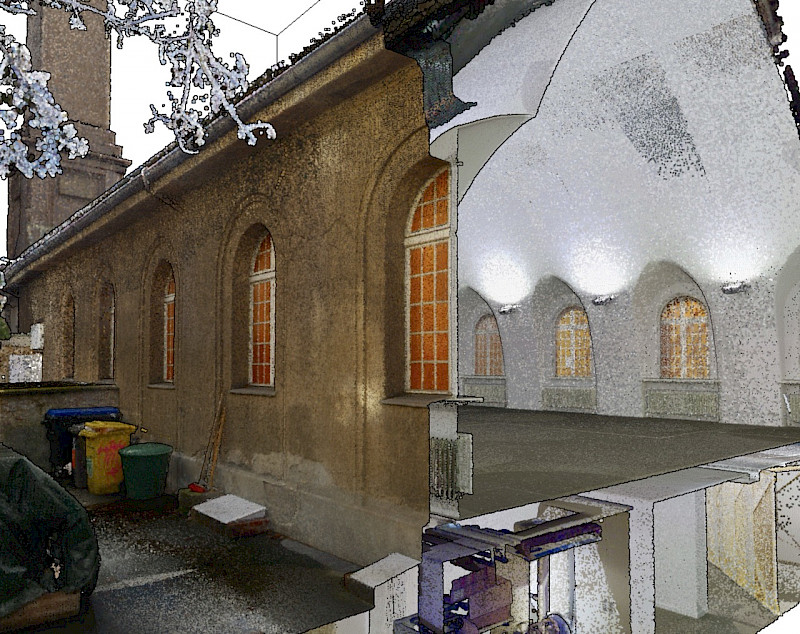
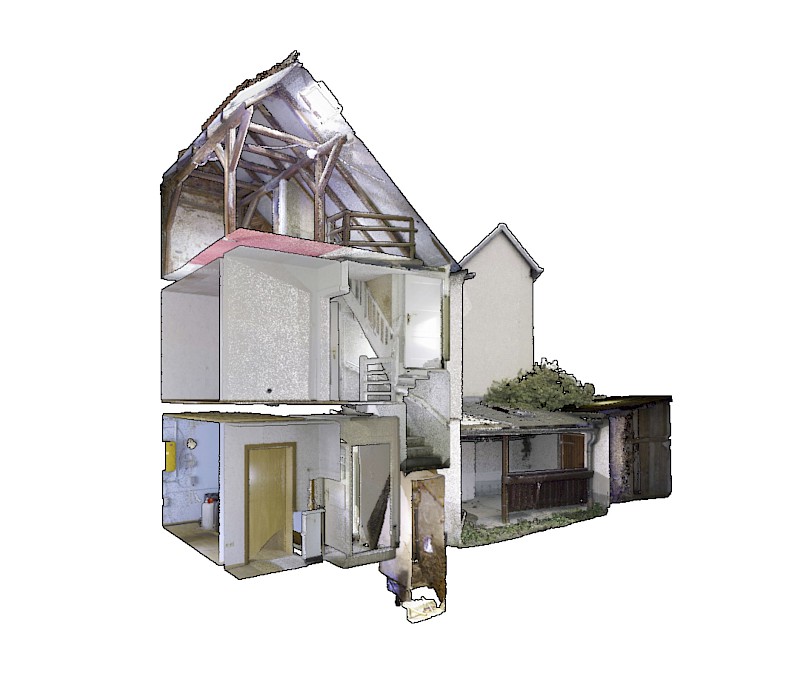
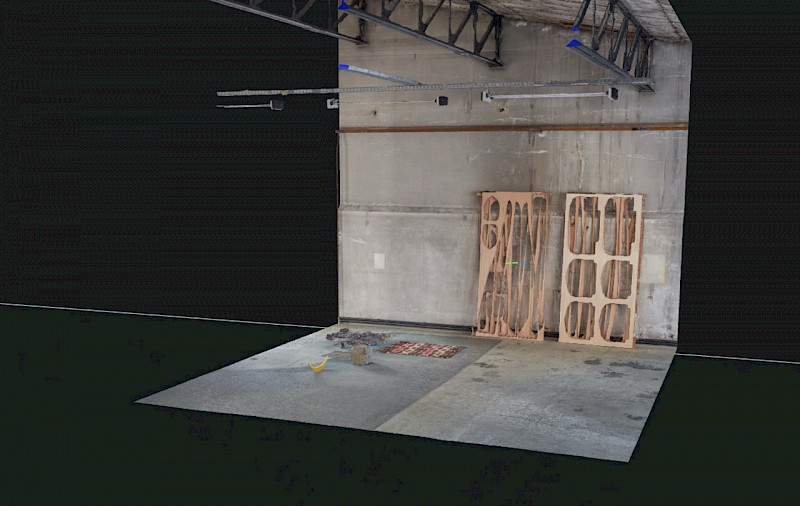
Collaborate in the point cloud model, straight from the browser
- Measure dimensions, components and condition
- Locate reports and find them again easily
- Bring every trade together in one model

Rethink what’s
already built.
Technology for circular construction.


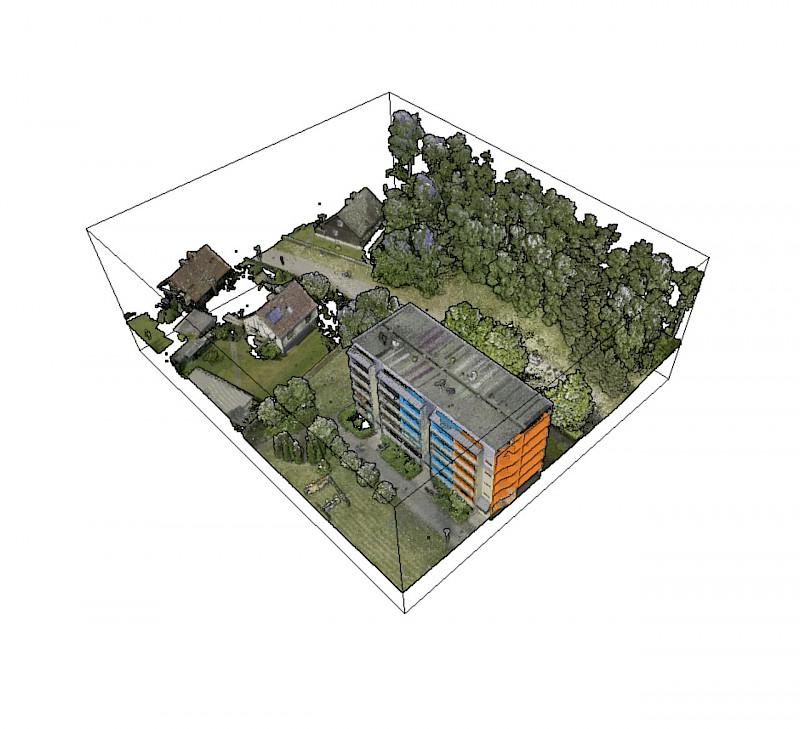
For projects in existing buildings we deliver the full chain, from precise three-dimensional capture through in-depth potential assessment to a shared workflow in our software.
So that retention becomes a real option, for circular and cost-efficient planning, for engineers and non-engineers alike.
Collaborate in the point cloud model, straight from the browser
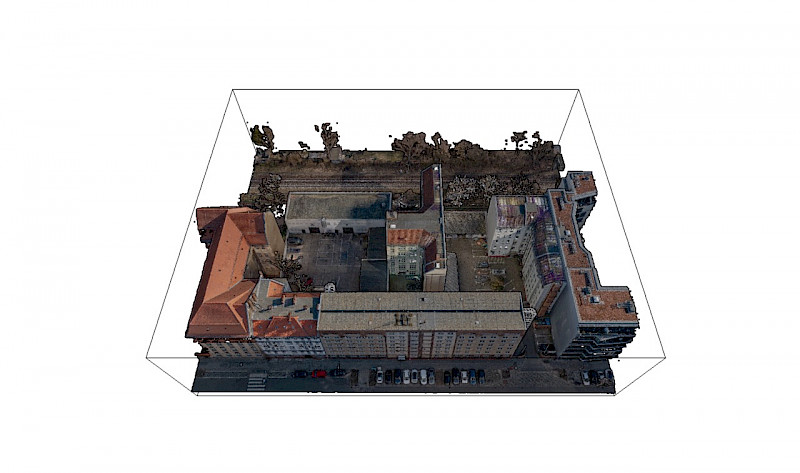
High-precision laser surveys for planning, reuse and life cycle assessment
Reducing risk and enabling high-value reuse in existing buildings, based on data
Component audits and digital archiving
Reuse potential and risk assessment
LCA in accordance with DIN EN ISO 14040
»Working with existing buildings should be a pleasure. So we are building the tools we were missing ourselves.«
Felix Matschinske, Co-Founder → Our Mission
Precision is a head start
Reduce planning risk and cost through precision from the start.
Costs
Cut travel and coordination effort through central data access.1
Time
Increase the value through transparent documentation.2
Market Value
1: AACE International (2020). Cost Estimate Classification System – As Applied in Engineering, Procurement, and Construction.
2: ETASR (2023). Construction Cost Overrun Analysis Studies.
Strategic Projects
Added value for projects










Automated Point Cloud Segmentation
for Building Stock Qualification
2026–2027
Project period
Dismantling and Material Re-Use
Component extraction from point cloud data
Real-time material database matching
Simultaneous digital analysis
Buildings are demolished every year. Not because they have reached the end of their useful life, but because reliable as-built data is missing. Incomplete documentation creates planning and financing risks that structurally disadvantage renovation and reuse in favour of new construction.
The consequences are significant: valuable materials, embodied carbon and established building fabric are lost — despite the EU Green Deal, the National Circular Economy Strategy and ESG requirements all demanding consistent resource conservation. Germany's fee schedule for architects and engineers (HOAI) estimates the additional cost of refurbishment at 20%. In practice, it regularly exceeds 60%. As long as this data gap persists, circular construction projects remain economically and operationally disadvantaged.
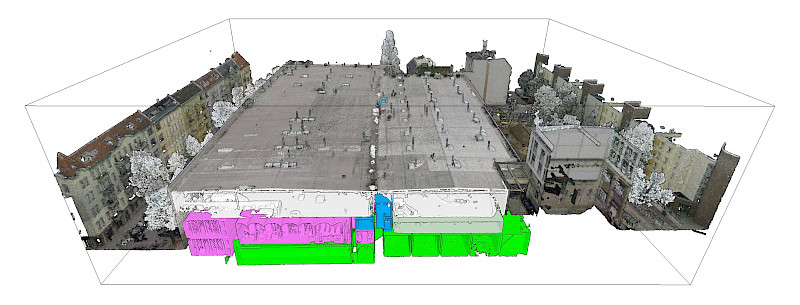
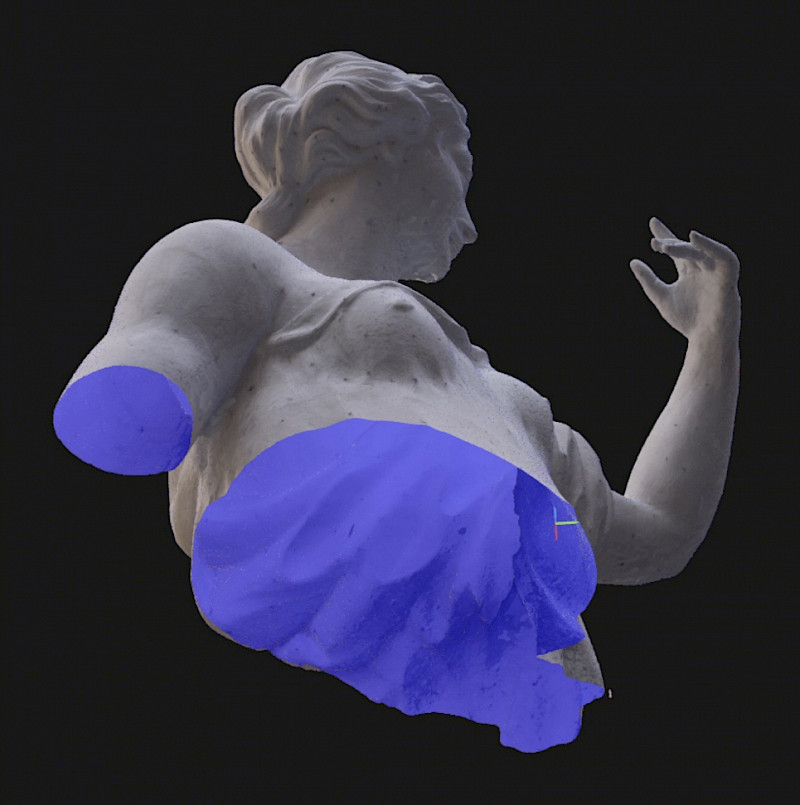
This is the starting point for the RE-3D development project. Using AI-driven software, 3D point cloud data is analysed automatically: building components are segmented, materials classified and matched in real time against Ökobaudat and EPD databases (Environmental Product Declarations). A single scan produces a qualified building stock dataset, applicable to circular planning, deconstruction concepts and the targeted transfer of components into their next life cycle.
The technological development is funded by the Berlin Senate and the European Union. The project forms part of a broader commitment to a climate-responsible construction industry and the effective implementation of circular planning standards across existing building stock.